
-
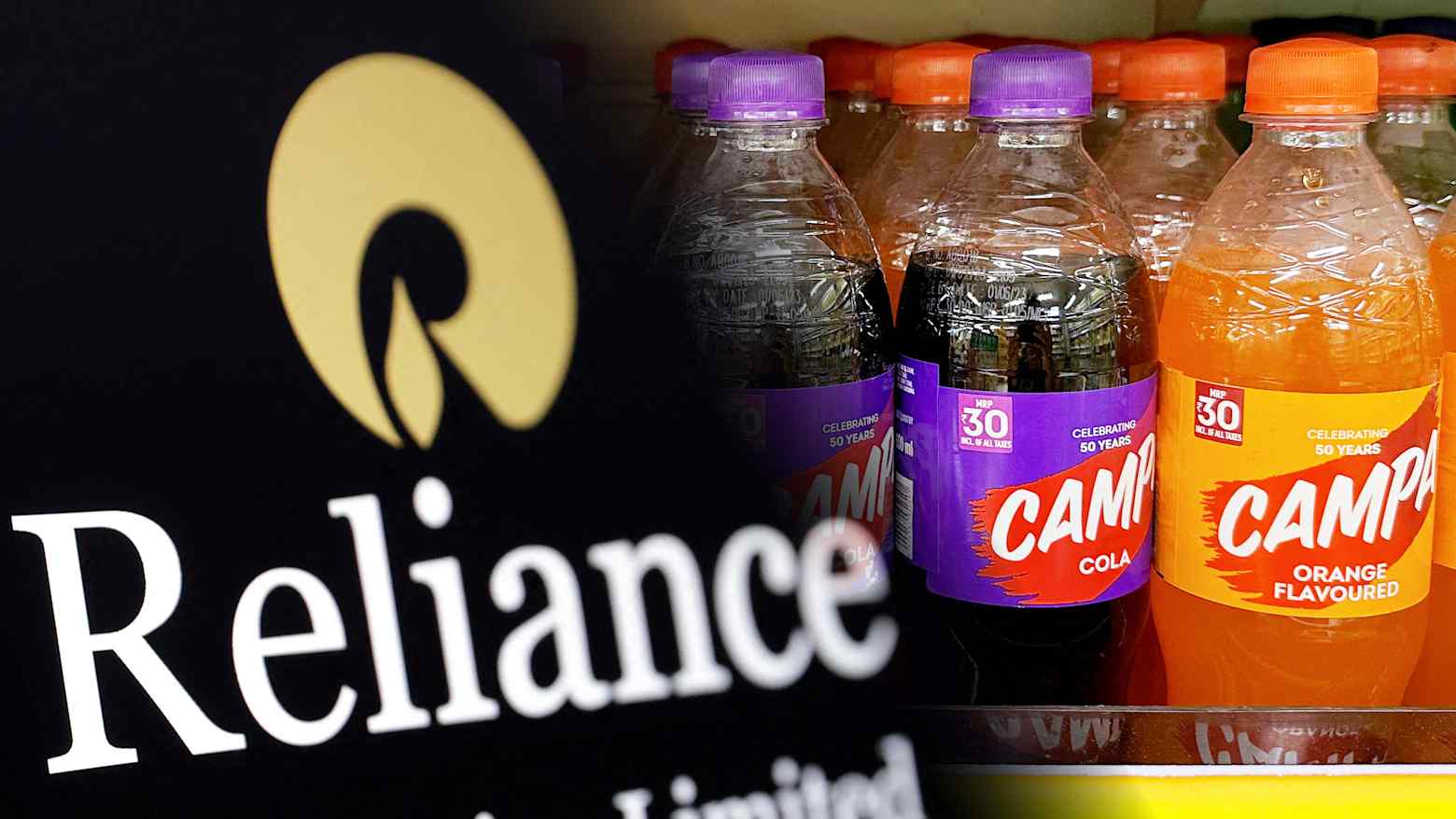
Reliance’s FMCG business is showing where the next scale layer in Indian consumer goods may come from: daily essentials and beverages, not only premium launches or discretionary categories. According to Economic Times, Reliance Consumer Products’ daily essentials and staples business generated ₹8,800 crore in FY26, accounting for 40% of gross revenue, while beverages contributed more than ₹6,000 crore. Overall, Reliance’s FMCG business reached ₹22,000 crore in FY26, nearly doubling from the previous year.
What makes this strategically important is the composition of that growth. Reliance entered FMCG just over three years ago with staples and beverages, and those remain its strongest engines. Campa was its largest FMCG brand at ₹4,700 crore in sales, while Independence staples delivered ₹2,600 crore. The company has since expanded into categories ranging from pulses and edible oils to biscuits, soaps, chocolates, confectionery, and packaged drinking water.
The bigger signal is that Reliance appears to be building FMCG scale through mass, high-frequency categories first, then broadening the basket. That matters because staples and beverages create repeat purchase behavior, stronger retail throughput, and faster distribution learning than many slower-moving categories. This is an inference from the revenue mix and category expansion described in the ET report.
But there is a trade-off on the retail side. ET says Reliance Retail’s margins are under pressure because of the rapid scale-up of quick commerce. The company’s EBITDA margin from operations fell to 7.9% in the January–March quarter from 8.5% a year earlier, and for FY26 it declined to 8.3% from 8.6%. Management indicated that online and quick-commerce growth is changing the earnings mix and weighing on profitability in the near term.
That turns this into more than a growth story. It is a live example of the new FMCG equation in India: scale is increasingly being built through essentials, but channel expansion into quick commerce can compress margins even as it improves reach and growth velocity. For consumer brands, the next operating advantage may lie in balancing category mix, brand scale, and channel economics more carefully rather than pursuing growth in isolation. This last point is an inference grounded in ET’s revenue and margin data.
Why it matters:
In Indian FMCG, the companies that scale fastest may increasingly do so through staples and beverages, but the ones that create durable value will be the ones that can make quick commerce work without letting margin quality erode.