
-
The latest Times of India report shows the West Asia supply shock is now pushing up costs across a wider band of consumer categories, including hair oil, soaps, detergents, and even air-conditioners and refrigerators. Indian companies are facing a sharp rise in input costs and are now monitoring them almost daily, with executives saying the inflation spike is unusually steep, broad-based, and difficult to plan around.
What makes this strategically important is the intensity of the cost surge. Bajaj Consumer Care said costs across its business have risen 20% to 60%, driven by volatility in light liquid paraffin, packaging materials, and edible inputs such as mustard and copra, which have stayed elevated instead of easing. Industry executives also told TOI that the shock is being transmitted through commodity prices, crude-linked inputs, freight costs, and a weaker rupee, making imports more expensive across the board.
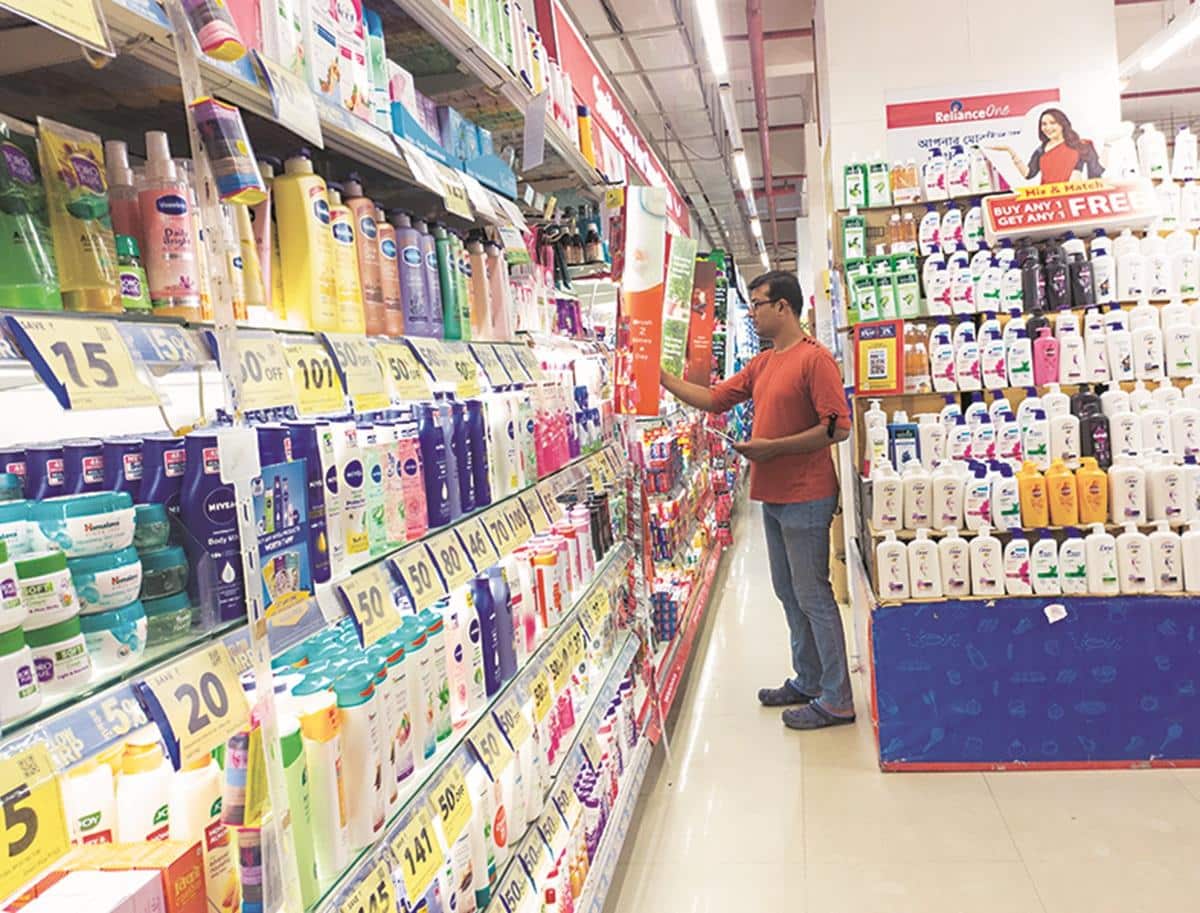
The response is already visible on shelves. TOI reports that companies have raised prices in categories such as soaps, detergents, hair oil, air-conditioners, refrigerators, decorative paints, apparel, and footwear, while some brands have also reduced pack sizes to manage margin pressure. AWL Agri Business said it has already increased edible-oil prices by ₹7–10 per kg to pass through higher freight costs, and more hikes are expected by the end of the month.
The bigger signal is that this is turning from a cost story into a demand-risk story. TOI says consumption had started improving after GST cuts last September, but executives now worry that sharp price hikes could hit consumer offtake. Trent also warned that macro uncertainty and rising cost of living are making consumers more cautious, especially in discretionary categories.
Why it matters:
For FMCG companies, the challenge is no longer just absorbing higher input costs. It is protecting everyday affordability across essential categories without derailing the early signs of demand recovery.